
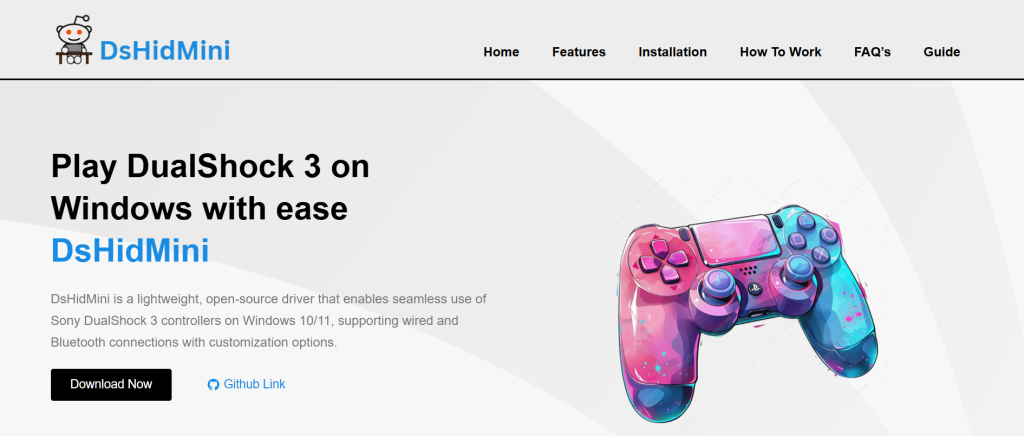
In today’s rapidly evolving digital world, users are constantly surrounded by tools, applications, and platforms that claim to offer better performance, smoother experiences, and more advanced features. Among these emerging names, dshidmini has started gaining attention for its unique approach and user-focused design philosophy. While many platforms attempt to solve similar problems, not all of them manage to stand out in a meaningful way. The real question is not just what dshidmini is, but what makes it different from others in the same space.
To understand its uniqueness, it is important to look beyond surface-level features and explore the deeper aspects such as design thinking, usability, performance optimization, and overall user experience.
A Simpler and More Focused Approach
One of the key aspects that sets dshidmini apart is its simplicity in design and functionality. Many modern tools tend to become overloaded with unnecessary features that make them complicated for users. This often leads to confusion, especially for beginners or those who prefer straightforward solutions.
dshidmini appears to follow a more focused philosophy, where the emphasis is placed on doing fewer things but doing them efficiently. Instead of overwhelming users with complex menus or excessive customization options, it prioritizes clarity and ease of use. This approach allows users to adapt quickly without spending too much time learning how the system works.
User Experience at the Core
Another important factor that makes dshidmini different is its strong focus on user experience. In many systems, user experience is treated as a secondary concern, while technical features are prioritized. However, dshidmini seems to balance both aspects by ensuring that functionality and usability go hand in hand.
The interface is designed in a way that reduces friction during interaction. Users can navigate through tasks more naturally, without feeling lost or distracted. This type of experience is especially valuable in environments where efficiency matters and time is limited. A smooth user experience often leads to higher satisfaction, and dshidmini seems to understand this principle well.
Lightweight and Efficient Performance
Performance is another area where dshidmini stands out. In a world where many applications are becoming heavier and more resource-intensive, lightweight solutions are becoming increasingly valuable. dshidmini focuses on efficiency, ensuring that it runs smoothly even on systems with limited resources.
This lightweight nature does not necessarily mean it lacks power or capability. Instead, it reflects smart optimization. The system is structured to minimize unnecessary background processes and reduce load times. As a result, users can experience faster response times and more stable performance overall.
Flexibility Without Complexity
Many platforms struggle to balance flexibility with simplicity. Often, when flexibility increases, complexity also increases. However, dshidmini attempts to strike a balance between the two. It provides enough adaptability for different types of users while maintaining a straightforward structure.
This means that both beginners and experienced users can benefit from it in different ways. Beginners appreciate the simplicity, while advanced users value the underlying flexibility that allows them to adjust usage according to their needs. This dual approach makes it more inclusive compared to rigid systems that cater only to one type of audience.
Stability and Reliability
Another important difference lies in stability. Users today expect tools to be reliable and consistent, especially when they are used for important tasks. dshidmini emphasizes stability by reducing unnecessary complexity in its core architecture.
A stable system reduces the chances of unexpected crashes, errors, or performance drops. This reliability builds trust among users over time. When users know that a system will perform consistently, they are more likely to depend on it for regular use.
Modern Design Philosophy
Design plays a major role in how users perceive any platform. dshidmini adopts a modern design philosophy that focuses on minimalism and functionality. Instead of cluttered layouts or overly decorative elements, it prioritizes clean visuals and structured presentation.
This makes it easier for users to focus on tasks without distraction. A well-designed interface not only improves usability but also enhances overall satisfaction. The modern design approach also ensures that the system feels up to date with current digital trends, making it more appealing to contemporary users.
Adaptability in Different Environments
One of the strengths that further differentiates dshidmini is its adaptability. In today’s digital ecosystem, users often switch between different environments, devices, or workflows. A system that can adapt smoothly to different conditions becomes significantly more valuable.
dshidmini is built with this adaptability in mind, allowing it to function effectively across various usage scenarios. Whether it is used in a simple or more demanding environment, it maintains consistent behavior. This adaptability ensures that users do not need to switch tools frequently, which improves overall productivity.
Focus on Efficiency Over Excess
Unlike many platforms that continuously add new features to stay competitive, dshidmini seems to follow a different philosophy. It prioritizes efficiency over excess. Instead of adding features for the sake of expansion, it focuses on refining existing capabilities.
This approach reduces unnecessary complexity and helps maintain a cleaner, more manageable system. It also ensures that users are not overwhelmed by tools they do not actually need. In the long run, this makes the system more sustainable and easier to maintain.
Why Users Notice the Difference
The reason users often notice a difference with dshidmini compared to other platforms lies in the overall experience rather than any single feature. It is the combination of simplicity, performance, stability, and design that creates a distinct identity.
Many tools may offer similar functions individually, but very few manage to integrate them in a balanced and user-friendly way. dshidmini stands out because it focuses on harmony between different elements instead of prioritizing one at the cost of others.
Conclusion
In a crowded digital landscape filled with complex and feature-heavy systems, dshidmini distinguishes itself through simplicity, efficiency, and user-centered design. Its lightweight structure, stable performance, and modern interface contribute to a smooth and reliable experience.
What truly makes dshidmini different from others is not just what it offers, but how it delivers it. By focusing on clarity over complexity and efficiency over excess, it creates a user experience that feels both practical and refined. This balance is what gives it a unique position among similar platforms and makes it appealing to a wide range of users.