
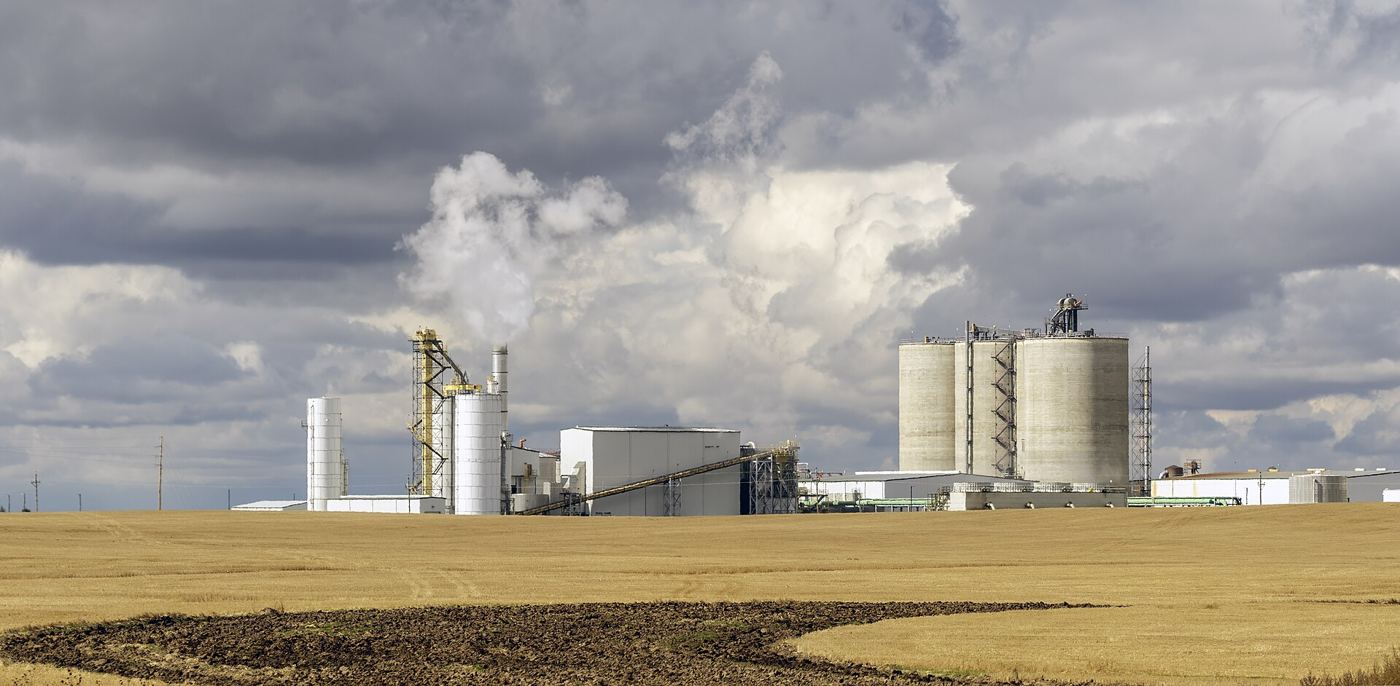
Cutting emissions is the first step in slowing climate change, but many scientists say it will not be enough on its own. Some carbon dioxide will have to be pulled back out of the atmosphere, and direct air capture machines are designed to do exactly that. Large fans blow air across filters coated with chemicals that trap carbon dioxide, and when the filters are full they are heated to release the gas, which can then be stored deep underground or turned into useful products. The first commercial plants are already running, capturing thousands of tonnes a year, and larger plants are under construction that aim to capture a million tonnes each. The idea is simple in principle, but the air is thin in carbon dioxide, only about four molecules in every ten thousand, so a plant must process enormous volumes of air to collect a meaningful amount.
What the Evidence Shows
The main obstacle is cost and energy. Capturing a tonne of carbon dioxide currently costs several hundred dollars, and the process needs a lot of heat and electricity, which must come from clean sources or the effort is wasted. Supporters say the price will fall as more plants are built, just as solar panels became cheaper with scale, and governments are beginning to pay companies for each tonne removed. Critics warn that the technology could become an excuse to keep burning fossil fuels, and that planting trees and protecting forests removes carbon far more cheaply. Researchers say both are needed, and that direct air capture is a tool for the hardest emissions to eliminate, not a replacement for cutting them in the first place. Reporting and analysis from sources such as IEEE Spectrum track the same developments, and specialists following the direct air capture plants say the direction is now consistent across independent lines of evidence.
The Wider Context
Adoption of the direct air capture plants follows a familiar pattern with an unfamiliar speed. Early users tolerate rough edges in exchange for advantage, mainstream users arrive when the tool disappears into existing workflows, and the market consolidates around whoever made that transition feel effortless. Vendors are racing less on raw performance now than on integration, support and trust.
What Happens Next
The realistic forecast for the direct air capture plants is steady integration rather than sudden replacement: embedded in products people already use, improving in increments, and regulated in proportion to its reach. The companies and institutions that plan on that basis, training staff and redesigning processes instead of chasing launches, are the ones the adoption data tends to vindicate. You can follow related developments in our coverage of technology.
It is also worth remembering how quickly the picture in this area has changed before. Positions that looked settled a few years ago have been revised as new data arrived, and the same humility is appropriate now. The strongest coverage of this subject, and the most useful advice, tends to come from sources that update their views openly when the facts move, rather than defending an earlier position long after it has stopped fitting the evidence available.


