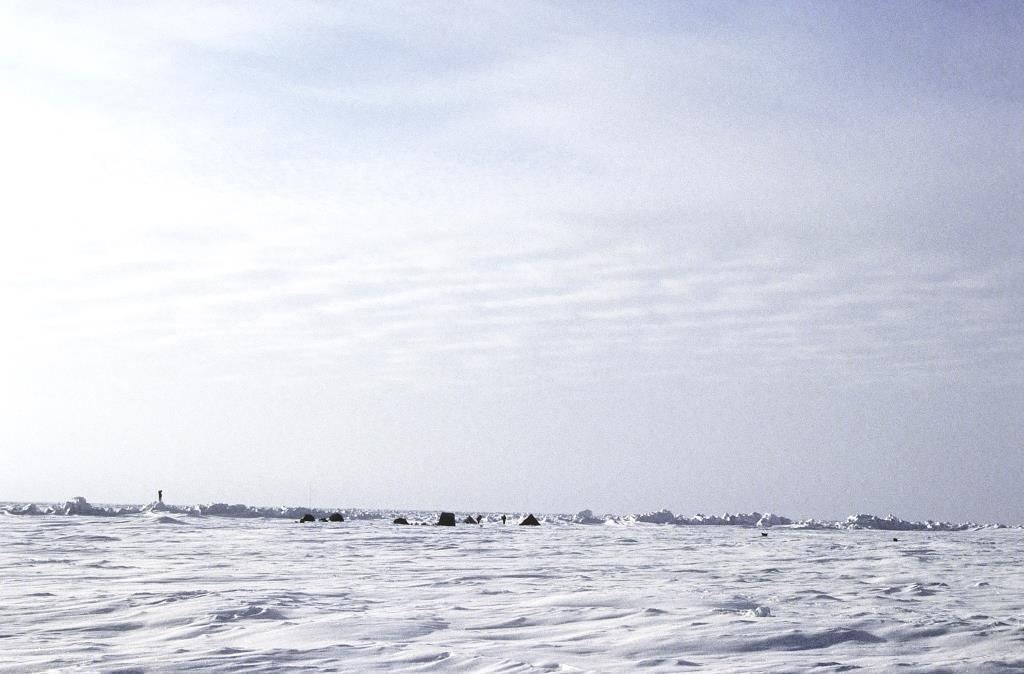
For Arctic coastal towns, the arrival of sea ice is a date on the calendar that organises winter life. Stable ice becomes a highway for snowmobiles and sleds, a platform for hunting and fishing, and a safer route between settlements than open water in storm season. In years when freeze-up comes later, residents describe a longer, uncertain shoulder season when the sea is too rough for boats and the young ice too weak to cross. Supplies, travel plans and traditional food gathering all have to adjust. Community ice-monitoring programmes have therefore grown in importance, combining local knowledge with thickness measurements and satellite images to judge when routes are genuinely safe to use. Elders note that reading the young ice was once routine knowledge passed down each autumn, and reviving that teaching has become part of community safety work.
What the Evidence Shows
Those monitoring efforts reflect a practical response to changing conditions rather than alarm alone. Towns are marking safer crossings, sharing daily ice reports by radio and social media, and training younger residents to read colour, texture and currents in the ice as earlier generations did. Engineers are also reconsidering infrastructure built for a colder era, from shoreline defences exposed to longer open-water seasons to supply schedules that assumed earlier freeze-up. Scientists working with communities stress that local observations are data in their own right, often capturing the detail satellites miss. Together, the records are building a clearer picture of how the ice season now behaves along inhabited coasts. However the ice behaves in future, residents say the goal is the same as it has always been: to travel, hunt and return home safely each winter. Reporting and analysis from sources such as National Science Foundation track the same developments, and specialists following the changing Arctic freeze-up season say the direction is now consistent across independent lines of evidence.
The Wider Context
The wider context is a research landscape in which replication and open data now decide reputations. Findings connected to the changing Arctic freeze-up season are being checked by independent groups with shared datasets, and the teams involved publish their methods in full so rivals can test every step. That discipline is slower than a headline cycle, but it is why results in this area increasingly survive first contact with scrutiny.
What Happens Next
What happens next in the story of the changing Arctic freeze-up season will be decided by follow-up work already under way: larger samples, longer observation and instruments that have not yet come online. The researchers involved are unusually united on one point, that the current results justify the next investment of time and money. Readers will not have to wait long for the first tests of that claim. You can follow related developments in our coverage of science.
There is a practical lesson in all of this for readers deciding what to do today. Start with the verified facts, be wary of anyone promising certainty, and prefer reversible steps while the evidence is still developing. Circumstances differ by country, income and personal situation, so general guidance should always be weighed against your own context before you act on it in any significant or lasting way.